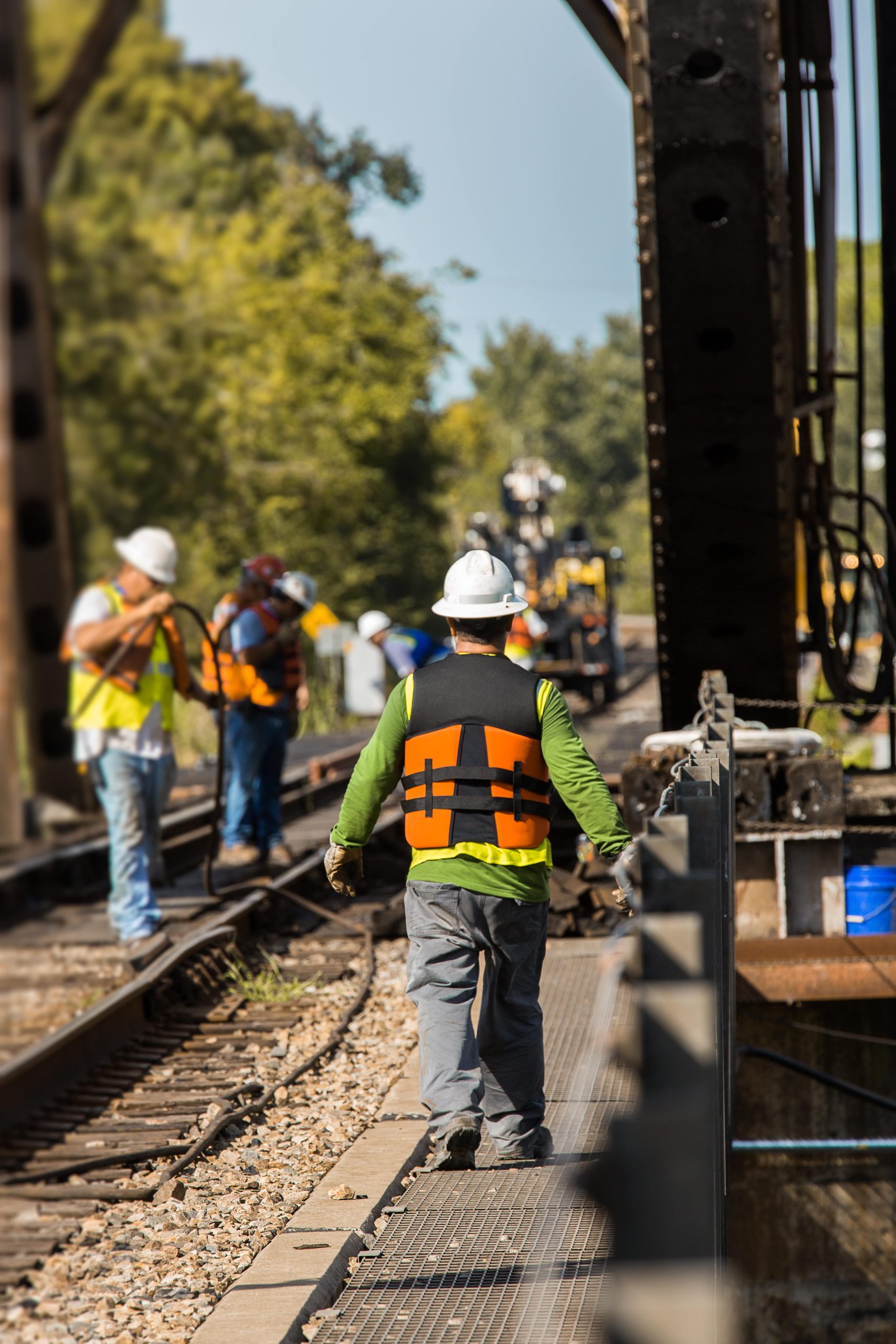
The Reason Best Railroad Cancer Lawsuit Settlements Is So Beneficial When COVID-19 Is In Session


Best Railroad Cancer Lawsuit Settlements: A Comprehensive Guide
Railroad workers face unique dangers in their workplace, especially exposure to harmful compounds like asbestos and benzene, which can cause major health issues, consisting of different types of cancer. Throughout the years, numerous railroad employees have looked for justice through lawsuits versus the companies that failed to offer a safe working environment. In this blog site post, we will check out a few of the most considerable railroad cancer lawsuit settlements, how they were achieved, and the implications for workers facing similar situations.
Comprehending the Risks
Before diving into the settlements, it's vital to comprehend the types of cancers typically associated with railroad work:
- Mesothelioma: An unusual type of cancer linked to asbestos exposure.
- Leukemia: Often connected with exposure to benzene and other chemicals.
- Lung Cancer: Can arise from prolonged exposure to diesel exhaust and other hazardous products.
- Bladder Cancer: Known to be linked to the inhalation or ingestion of specific carcinogenic compounds.
- Other Cancers: Include colon and prostate cancers, which might likewise be linked to dangerous workplace.
These cancers not only impact the health of the workers however can also lead to substantial monetary burdens, necessitating legal action to secure reasonable compensation.
Landmark Settlements in Railroad Cancer Lawsuits
The following table sums up noteworthy settlements arising from lawsuits submitted by railroad workers who established cancer due to occupational exposure:
| Case Name | Year | Settlement Amount | Background |
|---|---|---|---|
| Johnson v. Union Pacific | 2013 | ₤ 7 million | A former employee detected with mesothelioma after exposure to asbestos while working for the railroad. |
| Smith v. CSX Transportation | 2015 | ₤ 5 million | A case involving a worker who established leukemia after a prolonged exposure to benzene. |
| Garcia v. Burlington Northern | 2018 | ₤ 4 million | Worker submitted claims of lung cancer after exposure to diesel fumes. |
| Thompson v. Norfolk Southern | 2020 | ₤ 6.5 million | A match applied for carelessness concerning asbestos exposure leading to bladder cancer. |
| Davis v. Amtrak | 2022 | ₤ 10 million | A significant triumph for a previous train engineer struggling with lung cancer connected to work environment conditions. |
Elements Contributing to Large Settlements
The size of the settlements can vary significantly due to several factors:
- Severity of Illness: Cases involving terminal health problems or life-altering conditions tend to command higher settlements.
- Length of Exposure: Prolonged exposure to harmful substances can enhance the case for compensation.
- Documented Evidence: Clear evidence of negligence on the part of the employer, consisting of security record and internal interactions, plays an important role.
- Employee's Age and Prognosis: Younger workers or those with longer life span may get higher settlements.
Legal Path for Railroad Workers
Railroad workers may submit lawsuits under the Federal Employers Liability Act (FELA), which holds railroads liable for office injuries and health problems. Here's a list of steps usually associated with filing a FELA claim:
- Consult a Specialized Attorney: It's essential to discover a lawyer experienced in FELA claims and railroad injury cases.
- Collect Evidence: Collect medical records, work history, and any documentation associated to exposure to harmful substances.
- Sue: Submit your claim before the statute of limitations ends, which can differ by state.
- Participate in Negotiations: Often, settlements are reached without going to trial through negotiation in between the parties involved.
- Trial: If negotiations stop working, cases may continue to trial, where a jury will identify compensation.
Often Asked Questions (FAQ)
Q1: How do I understand if I have a valid claim?
To identify the credibility of your claim, speak with a specialized attorney who can assess your exposure history and medical records.
Q2: What kinds of compensation can I claim?
Compensation might cover medical expenses, lost salaries, pain and suffering, and compensatory damages.
Q3: How long does the legal process take?
It differs considerably depending on the intricacy of the case, however it can take anywhere from a couple of months to several years.
Q4: Will my case go to trial?
Many cases are settled out of court. Nevertheless, if negotiations fail, your case might go to trial.
Q5: Can I receive compensation if I am no longer working for the railroad?
Yes, you can still declare compensation for diseases or diseases developed due to previous work with the railroad.
The road to justice for railroad workers experiencing cancer due to occupational exposure can be difficult and mentally draining pipes. Nevertheless, comprehending the legal framework, the precedents set by large settlements, and the aspects that can influence these cases is critical. Google represents financial compensation however likewise acts as an important step toward holding railroad companies responsible for the health and safety of their employees.
Railroad workers ought to know their rights and seek counsel to explore their options for securing the compensation they should have in the face of misfortune. The journey may be long, but it is necessary for safeguarding the health of current and future railroad employees.